


UAE-backed militias launched a new escalation on Monday against tribes and Saudi-aligned forces in Hadhramaut province, following a bloody day of clashes with the Hadhramaut Tribal Alliance.
Dozens of supporters of the UAE-backed Southern Transitional Council (STC) militia gathered in the Al-Sateen Square in the city of Seiyun, the stronghold of Islah-aligned forces in the oil-rich province, demanding the removal of the Saudi-backed First Military Region.
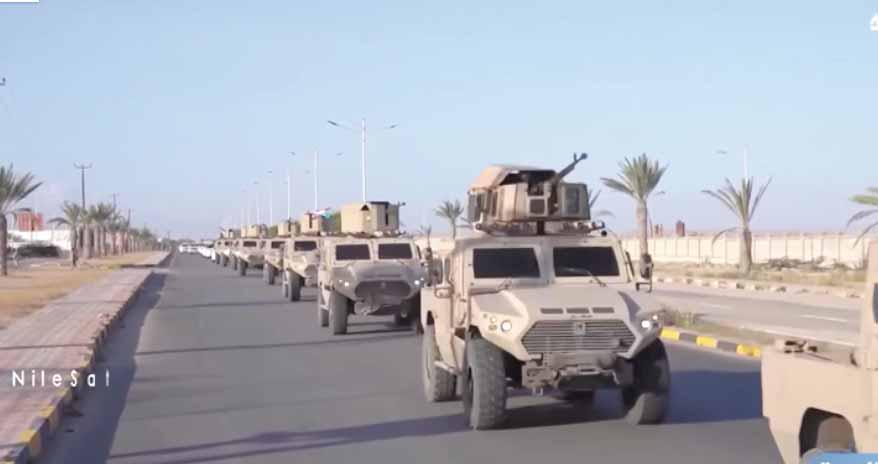
Meanwhile, the UAE-backed STC sent additional reinforcements to the front lines against the Saudi-aligned Hadhramaut Tribal Alliance, where battles have been ongoing for days over control of the oil-rich province.
The reinforcements included armored vehicles and heavy artillery brought in from southern provinces under STC control, according to widely circulated footage on social media.
The head of the Hadhramaut Tribal Alliance, Amr bin Habrish, said the province was facing an “external tribal invasion,” noting that armed reinforcements had reached Al-Dabba and other coastal areas, posing a threat to the oil fields in the Petromasila sector.
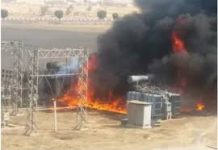
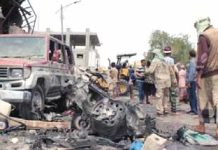
The fierce clashes and deteriorating security situation have led to a complete halt in production and refining operations at the state-run Petromasila oil company. As a result, the electricity network in the Hadhramaut valley began to shut down gradually amid warnings of potential risks to nearby oil and gas facilities.
These developments come as Saudi Arabia pushes forces from the First Military Region to support the Hadhramaut Tribal Alliance in an effort to decisively end the UAE’s presence in the province. This move has sparked widespread military and security tension across the province.
The occupied province of Hadhramaut has effectively entered a dark tunnel as military and political escalation widens between rival coalition-backed factions. This follows an incident in which Saudi-backed fighters stormed and seized facilities belonging to the Petromasila company in Wadi Al-Masila — a move that dramatically shifted the balance of power and triggered a new phase of open conflict in Yemen’s most important oil-producing region.