




United Nations International Children’s Emergency Fund (UNICEF), said it is deeply saddened by the preventable tragic death of Ata Mai, a seven-year-old boy, who drowned on 27 December during severe flooding in an improvised camp for internally displaced people in Sudaniyeh, northwest of Gaza City.
In a statement issued last night, UNICEF Regional Director for the Middle East and North Africa Edouard Beigbeder, affirmed that this tragedy underscores the extreme vulnerability of children in Gaza’s hardest-hit areas, where the near-total destruction of homes and water and sewage infrastructure has left families exposed to the elements.
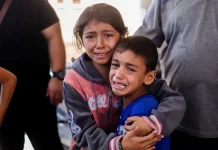
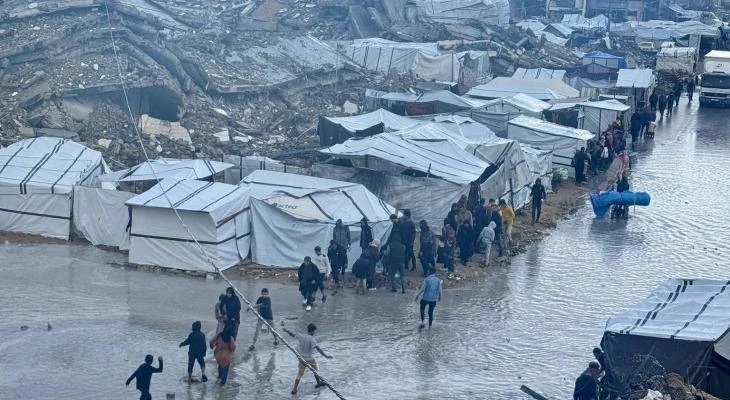
Ata was living in a camp formed of 40 tents sheltering internally displaced families, which has been heavily affected by prolonged rains, strong winds, and freezing temperatures, subjecting the families there to high risk.
According to UNICEF, Ata went missing in the afternoon and, despite search and rescue efforts supported by heavy machinery, his body was only recovered hours later. Ata’s siblings are all under ten years old, and the family had already endured the loss of their mother during the war.
UNICEF is currently supporting the family with essential aid, including blankets, tarpaulins, and psychosocial support, while assessing their broader needs.
This week’s heavy rainfall, strong winds and freezing temperatures have affected around 100,000 families living in makeshift shelters with little or no protection, and with further rain and colder conditions forecast, the situation is expected to worsen.
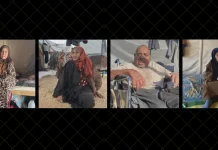
Teams visiting displacement camps reported appalling conditions that no child should endure, with many tents blown away or collapsing entirely.
“As part of its emergency winterization response, UNICEF, alongside UN partners, has been providing critical support to thousands of affected families. This includes installing temporary water pipelines, distributing hygiene items, tarpaulins, blankets, and dignity kits, and ensuring access to latrines. Teams are also working to clean and reopen sewage pipelines, clear stormwater inlets, and protect tents from flooding,” Edouard Beigbeder said.
He continued: ” Children in Gaza have endured enough and have the right to protection and safe shelter; all efforts must prioritize meeting this essential need. Furthermore, the urgent and large-scale entry of a full range of life-saving and life-sustaining supplies is required, including items that have previously been denied or restricted. To address critical water and sanitation needs.”
UNICEF called for the entry at scale of water treatment chemicals, spare parts, and other essential supplies needed to repair, maintain, and operate water and wastewater systems across Gaza.
The agency also called for an increased and sustained supply of fuel to avert flooding, sewage exposure, and serious public health risks, including disease outbreaks linked to disrupted solid waste collection.