






The Commissioner-General of the United Nations Relief and Works Agency for Palestine Refugees (UNRWA), Philippe Lazzarini, confirmed that the passage of 3 months since the ceasefire agreement in the Gaza Strip has not reflected an improvement in sufficiently meeting the needs of the population, and aid remains below the required level.
Lazzarini said in remarks today, Thursday: “Three months have passed since the ceasefire, but aid is still insufficient to meet people’s needs,” according to the Sanad News Agency.
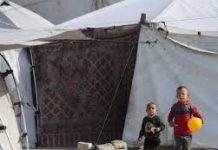
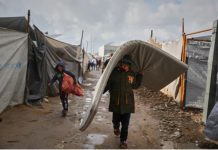
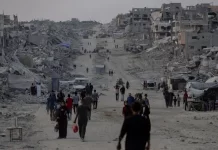
He explained that despite the arrival of food aid, non-food aid remains very limited, and citizens are still living among rubble, in unsafe shelters, and in tents that leak water and do not provide protection for the residents, adding: “They are deprived of almost everything.”
He stressed that cold weather constitutes an additional source of suffering for residents exhausted by a harsh war that lasted two years, accompanied by destruction, killing, and forced displacement, confirming that current aid remains insufficient to cover basic needs.
Lazzarini also emphasized the utmost importance of education despite the challenges, saying: “We have so far returned more than 60,000 children to in-person education, and we also provide distance learning for more than 280,000 children. But this is still far from what is required.”
Lazzarini pointed out that some UNRWA activities in occupied Jerusalem have completely stopped due to Israeli laws that consider East Jerusalem “part of its territory,” as well as the law that restricts or prevents any communication between Israeli officials and Agency officials, which affects the presence of international staff and supply operations to Gaza.
Lazzarini reiterated that these laws represent a blatant violation of international law.
He concluded his remarks by confirming that the Agency still includes about 12,000 employees in Gaza, providing daily services in the fields of public health, providing clean water, waste management, psychological and social support, in addition to managing a number of shelters, although this is below the required standard.