


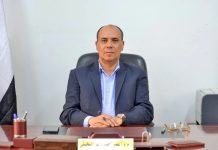


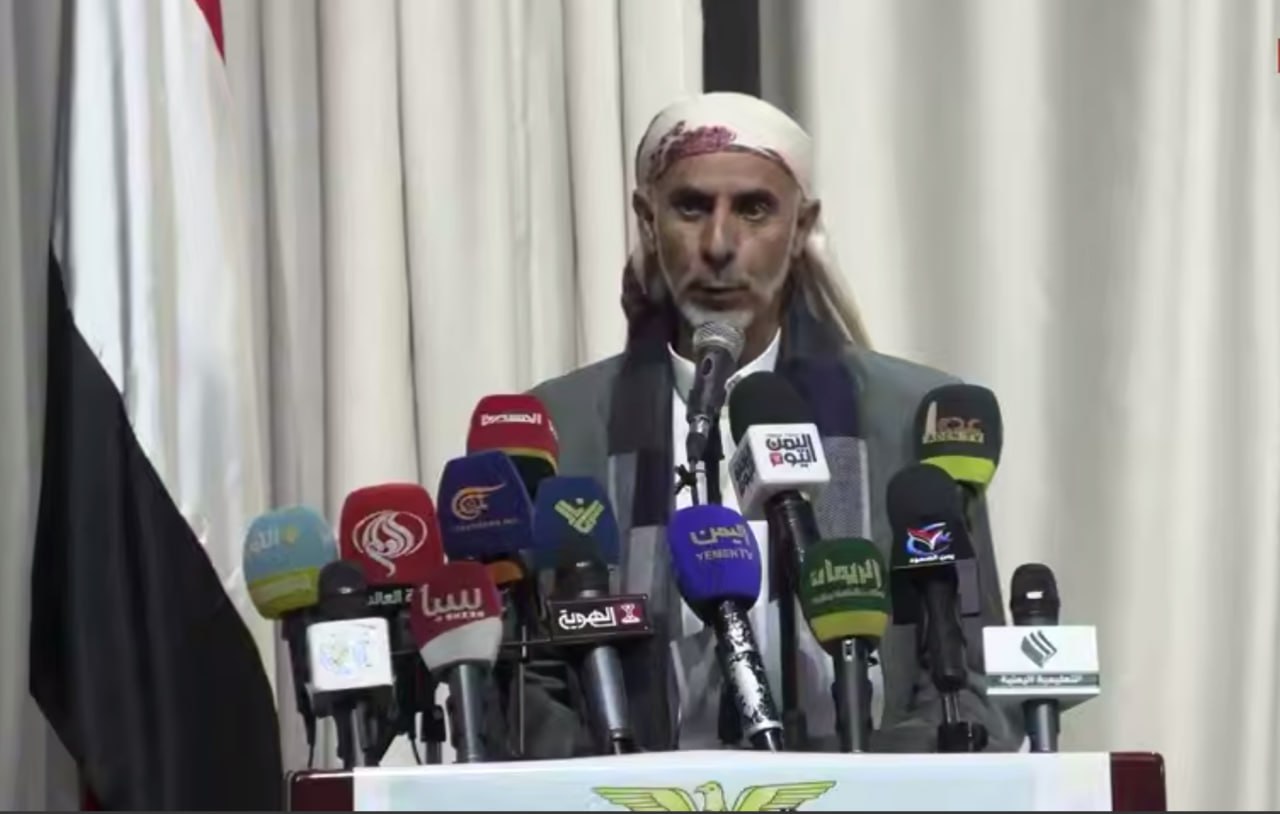
Yemen has foiled the aggression’s bets on state collapse and maintained institutional cohesion despite the targeting of vital facilities and the cutting of revenues, according to Acting Prime Minister Mohammed Miftah, who stressed the government’s commitment to “radical change” and ending external hegemony over Yemeni decision-making.
Speaking at an event marking the first anniversary of the martyrdom of government officials, Miftah said the martyrdom of the Prime Minister and several ministers in a US-Zionist airstrike represents “pride and honor for Yemen,” as they were part of a constellation of leaders who gave their lives in the battle against aggression and in defense of the nation’s causes.
He noted that the targeting of Prime Minister Ahmed Ghaleb Al-Rahwi, eight ministers, the Director-General of the Prime Minister’s Office, and the Prime Minister’s Secretary came within a broader campaign targeting resistance leaders and axes. The enemy, he said, had bet that the targeting would disrupt state institutions and create dysfunction across various sectors—but that bet failed.
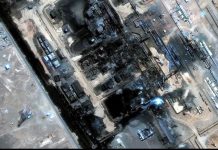
Miftah emphasized that Yemen’s institutions remained cohesive and balanced despite attacks on vital facilities, including the ports of Hodeidah and Salif, oil and gas tanks and tankers, telecommunications, power stations, cement factories, and other sectors. Though dozens of martyrs fell and homes and facilities were damaged, state institutions continued their work, and the economy maintained a degree of resilience despite the loss of key revenues.
Addressing economic challenges, Miftah attributed much of the current hardship to decades of reliance on external support for infrastructure and the economy. The current phase requires a transition toward reliance on domestic resources and building a more resilient economy, he said.
He highlighted infrastructure projects carried out using Yemeni expertise, including the repair of most main roads and the rehabilitation of over 90 percent of bridges and roads damaged by the aggression, alongside new projects in several provinces.
Despite the blockade and shipping disruptions, the food supply situation remained stable, with basic goods, fuel derivatives, and medicines available.
The state maintains a strategic stockpile of essential commodities, Miftah said, and has worked to provide minimum expenditures for vital sectors—especially medicines and hospital operations—while also paying salaries to many employees despite declining revenues and the absence of external aid.
Miftah announced the launch of dozens of social solidarity and empowerment projects to address poverty and provide training and opportunities for millions of citizens. The government is focusing on localizing agricultural and industrial production—particularly pharmaceuticals—while preparing new industrial facilities and updating investment laws to open opportunities for domestic investment in key sectors such as energy and electricity.
The government has completed the bulk of merging ministries and state facilities and rationalizing the administrative apparatus, Miftah said. The next phase will focus on activating state institutions through more efficient mechanisms, rationalizing spending, and optimizing the use of available resources. The localization of production, he stressed, is the foundation for building an economic and scientific renaissance.
He reaffirmed Yemen’s continued support for the Palestinian people, stating that Sana’a remains committed to the Palestinian cause and that the Yemeni Armed Forces have prepared options to respond to any Zionist escalation or folly.
Miftah concluded by affirming that Yemen is committed to a radical change project, whose first priority is ending external hegemony and rebuilding state and society on new political, intellectual, economic, and strategic foundations.