









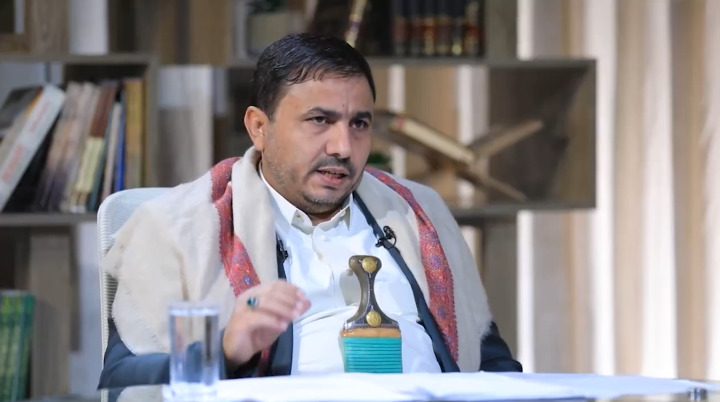
Member of the Ansarullah Political Bureau, Muhammad Al-Farah, has warned of Saudi Arabia’s efforts to recruit several social media content creators and influencers and employ them as part of psychological warfare targeting the Yemeni people. He said the moves are aimed at influencing public awareness and weakening the internal front through media and digital tools.
In a post on his personal account on X, Al-Farah said some content creators had agreed to become tools serving foreign agendas in exchange for financial gains. He noted that the fame and influence they previously achieved were not accidental, but resulted from positions aligned with the causes of their people and their steadfastness alongside citizens during difficult periods.
He said the alignment of some influencers with the aggression had led to a decline in their popular standing and a significant loss of credibility. Audiences, he added, have increasingly come to view them as tools employed in media campaigns targeting society, after they had once enjoyed broad trust among their followers.
The Ansarullah Political Bureau member said previous experiences had demonstrated that many figures who once enjoyed a strong presence and influence in the digital sphere lost their standing after changing their positions and becoming involved in media campaigns serving Saudi Arabia. He explained that the shift had negatively affected their reputations and stripped them of the influence they once held within society.
He added that employing influencers in such campaigns does not constitute a genuine gain for them, but instead damages their history and standing and places them in confrontation with public opinion, which monitors their positions and assesses them according to the extent to which they serve the national interest.
Al-Farah directly addressed content creators, urging them to preserve their standing and the respect they enjoy among their fellow citizens. He stressed that a reputation built on principled positions is more valuable than any temporary financial gains, while lost public trust may be difficult to regain in the future.
He further said some influencers have resorted to fabricating stories and promoting inaccurate narratives in an effort to fulfill the obligations of those financing them. Such practices, he said, result in the dissemination of misleading information and unfounded allegations, leaving the content they produce devoid of credibility in the eyes of their followers.
Al-Farah stressed the importance of adhering to values and principles and avoiding involvement in activities that contribute to projects targeting Yemen and its people. He cited the Quranic verse: “Our Lord, do not place us with the wrongdoing people,” saying the supplication embodies a rejection of participation in injustice or contributing to practices that harm peoples or serve those committing aggression against them.