






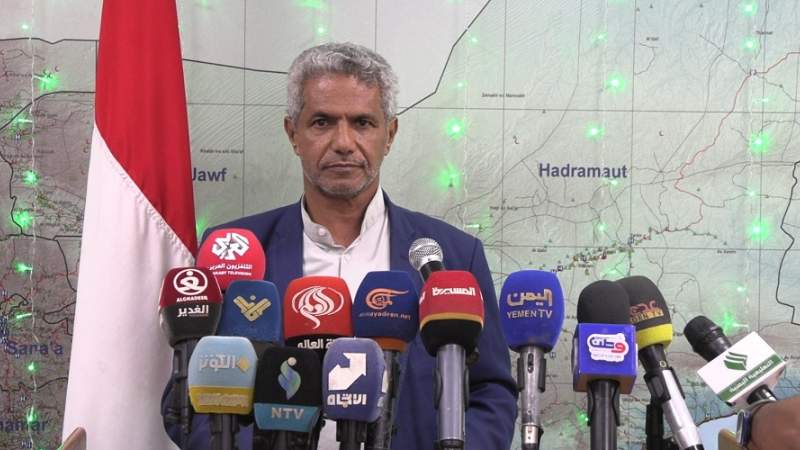
Yemen’s Ministry of Health and Environment said on Sunday that the depletion of essential vaccines in the country is the result of the Saudi aggression and blockade and the suspension of humanitarian operations by international organizations, rejecting allegations that it had blocked or halted vaccination programs.
The ministry said stocks of all nine routine childhood vaccines—including pentavalent, pneumococcal, injectable and oral polio, rotavirus, BCG, measles, Td, and vitamin A—have been completely exhausted due to disruptions in supply.
According to the ministry, the last vaccine shipment arrived on September 4, 2025, while UNICEF suspended its vaccine supplies and operations on October 24, 2025. It said it had repeatedly warned partners since July 2025 of the impending depletion of national vaccine stocks, secured import approvals in November 2025, and continuously shared vaccine demand plans and inventory reports, but no new shipments have arrived despite ongoing communications through July 2026.
The ministry stressed that the Saudi aggression, the UN, and affiliated international organizations bear direct responsibility for the vaccine crisis, saying the suspension of humanitarian activities has significantly worsened Yemen’s health situation. It specifically criticized UNICEF for delaying approved vaccine shipments despite official import permits, and the Global Alliance for Vaccines and Immunization (Gavi) for failing to uphold its commitments and ensure continuity of vaccine supply chains.
The ministry denied claims that it had prevented vaccinations, stressing that vaccines would be made available immediately through its health facilities once shipments enter the country and complete required inspections. It added that it continues to pursue alternative solutions to secure supplies.
The statement also stated that the Saudi aggression and its supporters are conducting a misinformation campaign by blaming the ministry and the government for the shortage, insisting that the crisis stems from the blockade and the suspension of humanitarian operations for political reasons.
The ministry called on international organizations to submit a written emergency response plan within 48 hours, expedite the delivery of Yemen’s allocated vaccine supplies through specialized cold-chain logistics companies, resume suspended humanitarian activities, and provide support for healthcare workers and vaccine cold-chain infrastructure.
It further warned that the blockade and years of conflict have devastated Yemen’s healthcare system, damaged medical infrastructure, contributed to the spread of infectious diseases, deprived millions of access to essential healthcare, and restricted the entry of life-saving medicines and medical supplies, particularly for patients with chronic illnesses.
Yemen’s health sector has suffered extensive damage during years of aggression, with repeated warnings from local authorities and humanitarian agencies over shortages of medicines, vaccines, and medical supplies. The country has faced recurring disruptions to immunization campaigns and healthcare services amid aggression, funding shortfalls, and restrictions affecting humanitarian operations.