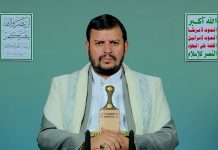



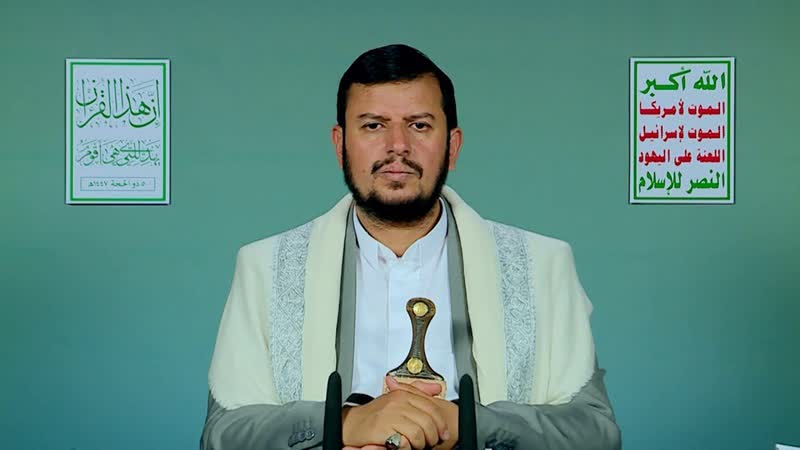
Leader of the revolution, Sayyed Abdul-Malik al-Houthi, warned of psychological warfare and coordinated media campaigns aimed at undermining the morale of the nation, accusing enemies and their allies of using media outlets and social media platforms to spread fear, despair, and defeatism.
Sayyed Abdul-Malik said organized campaigns led by “hypocrites and rumor-mongers” seek to exaggerate the military capabilities of hostile powers and cast doubt on Allah’s promises of victory.
He stated that these campaigns intensify during periods of military escalation and major confrontations, using narratives and terminology similar to those employed by the Israeli enemy and its allies to target resistance movements and discredit positions supportive of Palestine and regional causes.
Sayyed Al-Houthi accused certain media entities and online accounts of operating within coordinated “media rooms” serving enemy agendas through the dissemination of rumors, misleading information, and psychological warfare intended to weaken internal unity and spread division within society.
He stressed the importance of verifying information and avoiding the uncritical circulation of reports or leaks that could serve hostile interests or justify future crimes, emphasizing that the Qur’an calls for wisdom and discernment in dealing with news, especially during times of conflict.
Sayyed Abdul-Malik described the media sphere as one of the main battlegrounds in the confrontation with enemies, accusing hostile powers of using media platforms to spread disinformation, moral corruption, and internal divisions within the Muslim nation.
He also highlighted the importance of media boycott, warning against television channels and media outlets that he said serve the Israeli enemy, the United States, and Zionist interests by justifying Israeli actions and blaming Palestinian resistance groups for the suffering in Gaza.
The leader argued that some outlets function as “mouthpieces for Zionism” through their political, cultural, and ideological content, while others promote moral decay and intellectual deviation, calling on the public to boycott and disengage from such platforms.
In addition, he cautioned against engaging with gatherings or social circles that spread rumors, sectarianism, and discouragement, saying continued exposure to such environments negatively affects public awareness and social cohesion.
Sayyed Abdul-Malik further urged social media users to adhere to “responsible and truthful speech,” warning against organized online campaigns that manipulate public opinion through coordinated interactions and misleading trends.
He concluded by calling on media professionals and activists to use media platforms to spread awareness, support just causes, and confront disinformation campaigns targeting the unity and values of the nation.