




Acting Prime Minister Mohammed Muftah said drug trafficking and abuse represent one of the most dangerous threats facing societies, affirming that the phenomenon is driven by “malicious intelligence operations” led by the Zionist lobby and the American system, while calling for stronger legal and societal measures to confront the issue.
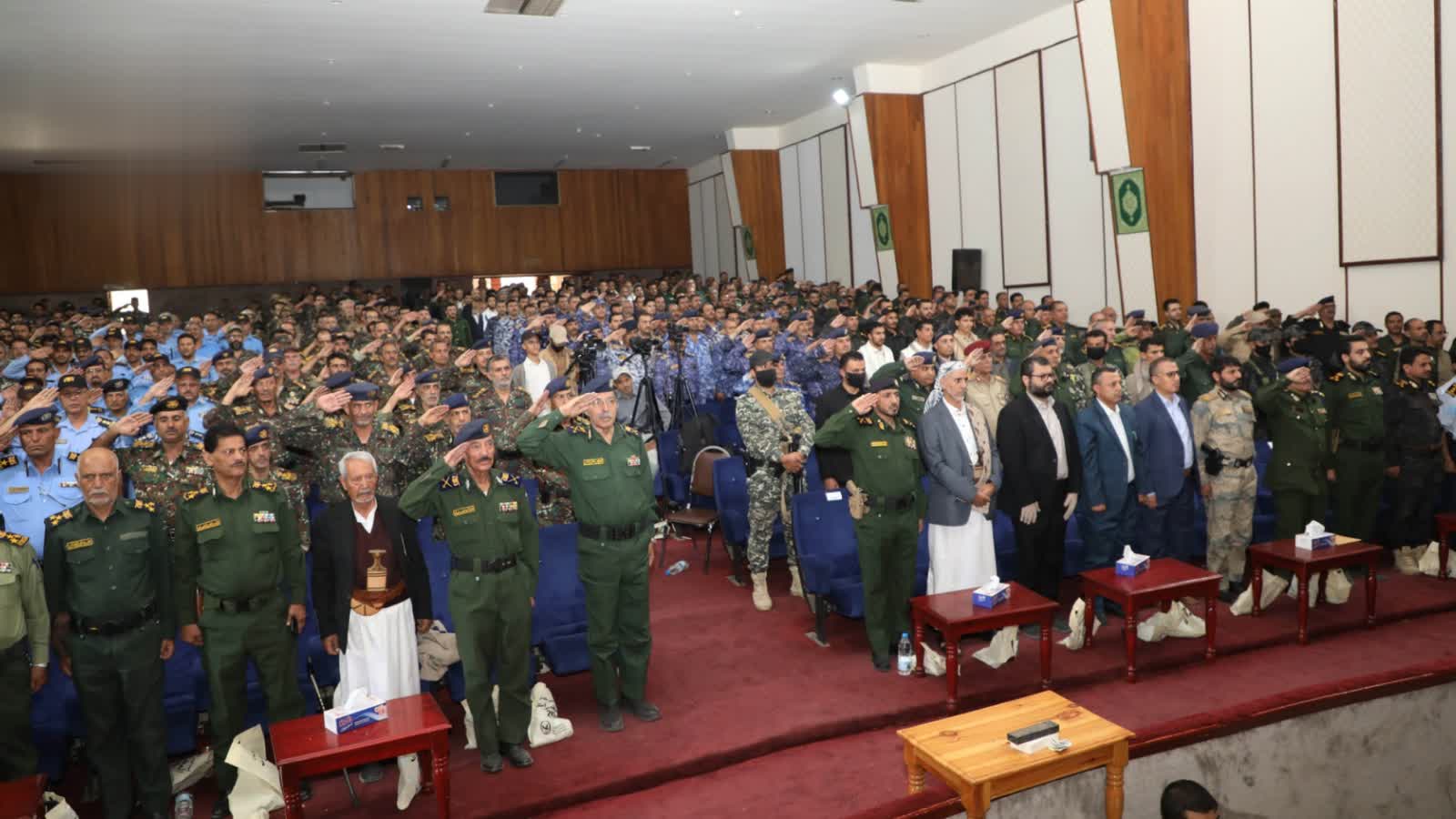
Speaking at a central event organized by the Ministry of Interior on the occasion of the International Day Against Drug Abuse under the slogan “America the Mother of Drugs,” Muftah said narcotics have destructive effects on individuals and families and contribute to serious social and criminal consequences.
He argued that major intelligence networks stand behind the trafficking and spread of drugs, specifically accusing US and Israeli intelligence agencies linked to the Zionist system of using narcotics and other forms of social destabilization as tools to weaken societies and influence youth.
Muftah said such actors rely on a range of methods to undermine communities, including drug distribution, moral corruption, financial coercion, and blackmail, which he said are intended to make individuals more vulnerable to external influence and manipulation.
According to Muftah, young people remain the primary target of these activities, describing youth as the most vulnerable group to recruitment and exploitation.
He said the government in Sana’a would work to review existing legislation and close legal loopholes that allow offenders to evade accountability.
Addressing broader political themes, Muftah said Yemen’s position in confronting American and Zionist policies has made the country a target of economic, media, and influence campaigns, including attempts to attract and exploit youth through narcotics.
He also argued the Saudi regime of being part of the Zionist-American system and affirmed that it contributes to the spread of drugs in Yemen, particularly in occupied areas, holding it responsible for the consequences of narcotics and methamphetamine-related crimes.
Muftah called on government institutions, civil society actors, media organizations, educators, and awareness bodies to coordinate efforts against drug trafficking, expand public education campaigns, and confront harmful social phenomena.
He further announced that the government, in coordination with parliament and the Shura Council, intends to prepare draft legislation aimed at combating online blackmail, particularly through social media platforms.
In the same event, Deputy Interior Minister Maj. Gen. Abdulmajid Al-Murtada urged Yemenis to play a more active role in combating narcotics-related crimes and stressed the need to deny traffickers any social protection or acceptance.
Al-Murtada warned that individuals involved in such activities may attempt to gain public sympathy through charitable initiatives despite engaging in activities he said threaten social stability and public security.
Yemen has in recent years intensified official campaigns against drug trafficking and consumption amid growing public concern over the spread of narcotics, particularly synthetic substances.
Authorities have repeatedly framed anti-drug efforts as both a security and social priority, while tribal initiatives and community campaigns have increasingly been mobilized to support enforcement and public awareness efforts.