







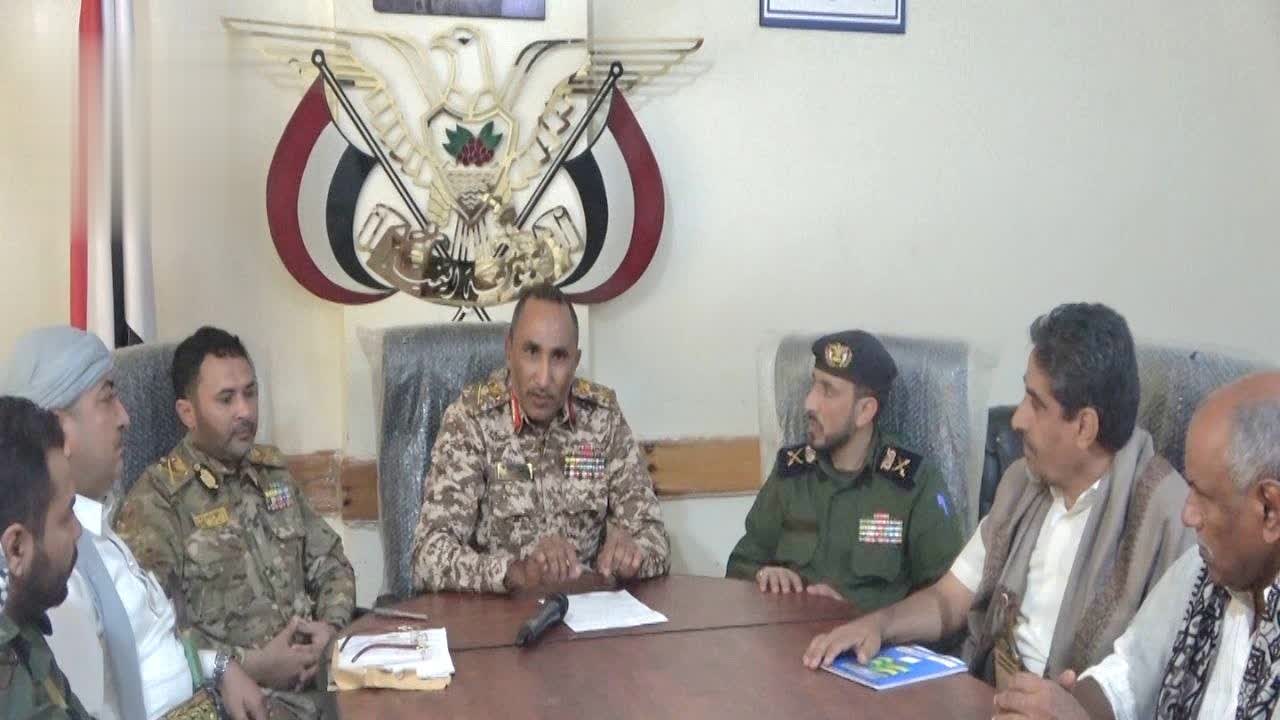
Hodeidah Governor Abdullah Atefi called on those who were misled into joining the Saudi enemy’s military mobilizations to leave their ranks and return to their homeland, saying the current phase requires greater unity and readiness to confront the enemy.
Atefi made the remarks during an expanded meeting on Thursday attended by provincial officials, lawmakers, Shura Council members, religious scholars, tribal leaders, academics and social figures.
The meeting reviewed developments on various fronts and ways to counter Saudi efforts to use those who were misled in Hodeidah to advance its agenda.
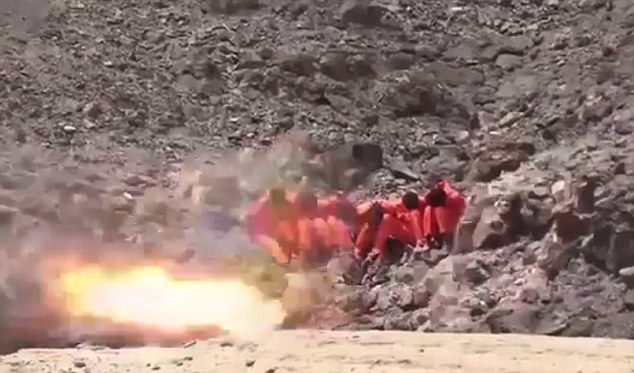
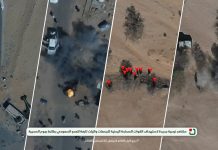
The governor praised recent operations by the Yemeni Armed Forces against Saudi enemy military mobilizations and renewed his call for those who were misled to abandon the Saudi-backed forces, saying continued reliance on the Saudi enemy would ultimately lead to losses.
He specifically called on those who were misled in Hays and Al-Khokha districts to strengthen their support for the national position and stand united against the enemy’s plans. He also pledged that the rights and private property of residents of the two districts would remain protected.
Atefi said the appeal was driven by a national and religious responsibility aimed at preventing further bloodshed and encouraging those involved in the Saudi enemy’s mobilizations to abandon the enemy’s agenda.
He also reaffirmed Hodeidah’s readiness to reinforce the fronts with personnel and equipment and to support the Yemeni Armed Forces in confronting any escalation.
Deputy Interior Minister Maj. Gen. Abdulmajid Al-Murtadha stressed that Saudi Arabia is seeking to use forces in areas under its control as a spearhead against the Yemeni Armed Forces, warning that those who were misled into joining these forces were being drawn into a conflict that did not serve their interests or the future of their communities.
Al-Murtadha said the recruitment of those who were misled in Hodeidah was part of an effort to exhaust the people of Tihama and prolong the aggression rather than allowing them to focus on protecting their land, security and communities.
He argued that Saudi Arabia was primarily concerned with protecting its own interests and security rather than defending its local allies, urging those who were misled to reconsider their position and return to the national ranks.
He warned that remaining in Saudi enemy mobilizations could result in those who were misled being sent to fight fellow Yemenis in a conflict that would primarily serve Saudi interests and prolong Yemen’s blockade.
Al-Murtadha said the Yemeni Armed Forces would continue confronting escalation with escalation under the blockade-for-blockade and comprehensive escalation-for-comprehensive escalation equations.
He identified lifting the blockade, restoring national decision-making, recovering Yemen’s natural resources and ending foreign intervention as priorities for the Yemeni people.
Hodeidah Deputy Governor for Services Affairs Mohammed Hulaissi said those who were misled had a national responsibility to strengthen social cohesion and prevent attempts to draw them into conflicts that serve the occupier.
He called for coordination among local authorities, tribal leaders, religious scholars and social figures to encourage those who were misled into joining the Saudi enemy’s mobilizations to return to their communities and leave its ranks.
Hulaissi said Hodeidah residents remained aware of plots targeting Yemen and would remain united in protecting their areas and safeguarding the governorate’s security and stability.
The renewed Saudi mobilization comes against the backdrop of years of military intervention in Yemen that have left deep humanitarian, economic and social consequences, while repeated attempts to achieve military gains through allied Yemeni forces have failed to produce a decisive outcome.
Yemeni Armed Forces have repeatedly warned that continued Saudi escalation through its proxies will be met with escalation, while stressing that the consequences of renewed military action will extend beyond the battlefield to the economic and strategic interests of those backing it.
The latest calls from Hodeidah therefore come as both a warning to those who were misled into joining the Saudi-backed forces and a broader message to Saudi Arabia that attempts to revive the war through its Yemeni allies could trigger a new and potentially wider phase of confrontation.